Journey and Independence
Kiana Glanton, is an International Bronze Medalist in Blind Baseball, Development & Special Projects Manager, and a NYU student pursuing an MBA and a fundraising certificate.
When asked about her personal journey, Glanton said, “Being a blind baseball player gave me consistency, and it shaped my life. Even when it comes to everyday life, scheduling and studying. It became a metaphor for life.”
“Independence for me looks like being able to live without help or support.” Said Glanton.
Glanton stressed the capabilities of visually impaired people, “We can cook and have independent relationships.”
Misconceptions About the Visually Impaired
The project transforms a scenic 1.6-mile stretch of the trail into an interactive audio environment. The trail itself is a gem of N
Most people are unaware of the daily obstacles that low-vision people face, from perception to the challenges that society puts on them.
“People think we are disabled, and people think we are not capable. We work in the transit field. I know a blind accountant, a friend, who is highly accurate and competent.” “I don’t like it when people limit us,” said Glanton.
ewburyport, running from the MBTA Commuter Rail Station to the Merrimack River, lined with unique murals and sculptures, including the beloved steel “Steam Locomotive” play sculpture.
Previously, these visual wonders were inaccessible to some. Now, thanks to the installation of 17 Bluetooth beacons, the trail speaks.
Importance of Accessibility
Being able to access public spaces is an important factor for everyone. Facing difficulties completing everyday tasks makes one feel alienated and outcast.
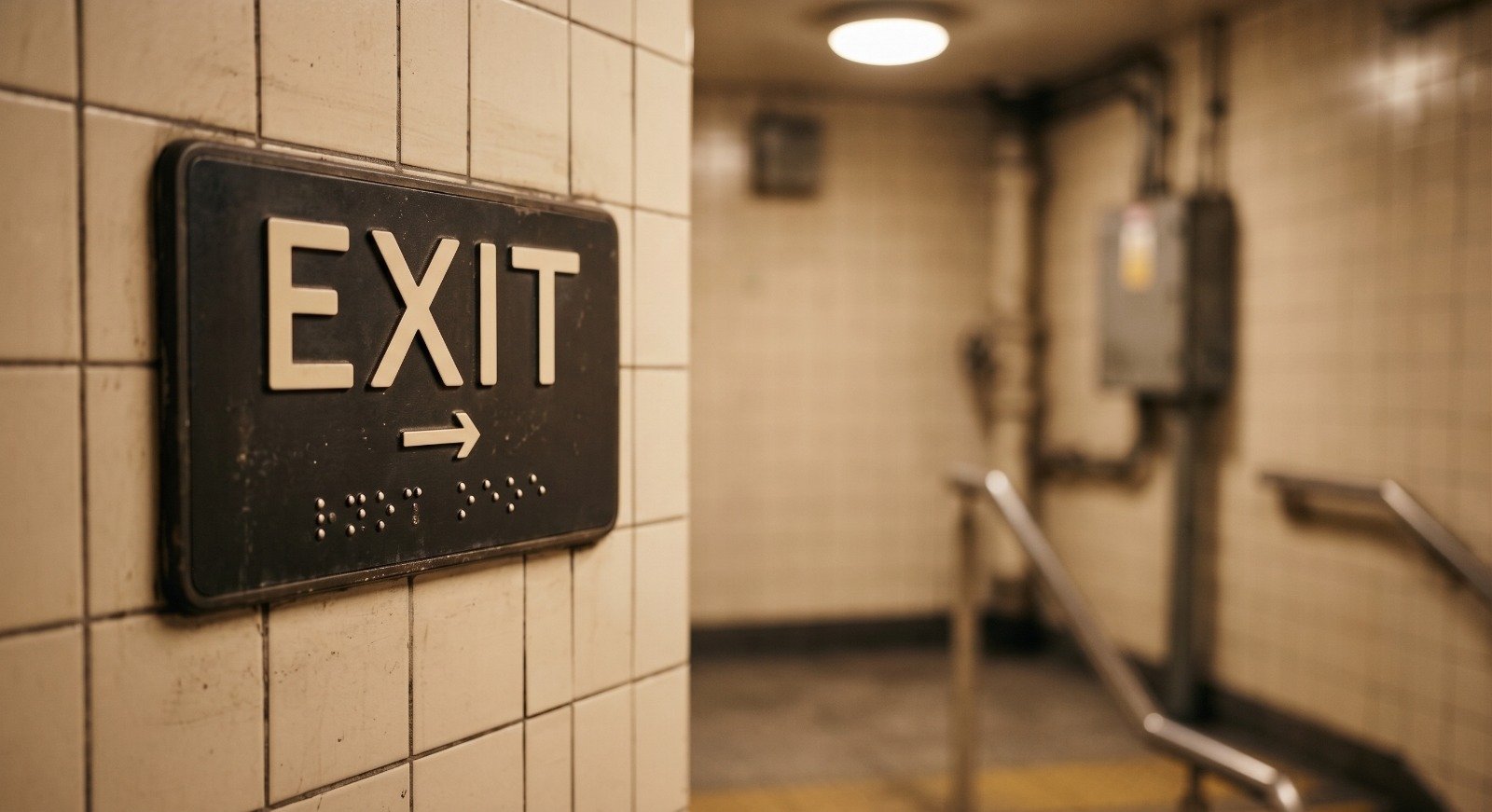
The need for accessibility is undeniable for the visually impaired community. Kiana emphasizes the importance of “Accessible crossing at all intersections, recording devices. Braille. For students and people working, Powered Transit.”
Orientation Tools
Kiana Glanton uses technology to navigate through daily life. “Tech is the great equalizer when it comes to people with low vision.” Said Glanton.
RightHear uses Audio Format Signage that allows you to find out where to go and the type of space you are in when in enclosed spaces.
RightHear incorporates the Talking Signage system to make navigation much easier through allowing visually impaired people navigate environments.
Value of Community Support
Everyone needs support, whether it is from loved ones or people who have shared experiences in communities. When asked about communities, Glanton said, “They are important because identity is affected by them. Low vision affects everyday experiences, from food to simple interactions.”
Glanton added, “I have tripped and lost stuff and asked people in my family for help. There’s no shame in it.” “The shared experience takes away the stigma.”
RightHear hosts a weekly meeting on Friday to highlight different subjects that pertain to accessibility and speakers in the low-vision space.
Personal Message from Kiana
Kiana Glanton urges people to share their stories to allow people to know that they are not alone. “Vision is the single most hated thing to lose; we have learned to live full, complex lives.”
“Look for humility to start to share your story on different platforms in order to help people.” Glanton said.
“Kudos to all the people who have been dealing with a world that is not set up for them.” Glanton added.