


Eric Hartman is the Director of Advocacy for the Choroideremia Research Foundation, he refers to himself as the Blind Low Vision Traveler. Through his travels, he noticed many people did not know the difference between having low vision and being blind.
“When I am held at the airport gate. I have functional central vision; people see the cane and become indignant.” Said Hartman.
“When going through airports I would hear people say, ‘I don’t think he is actually blind.’”
The difficulties that Hartman faced did not discourage him from doing what he enjoys, travelling.
When asked about tools or technologies that made a big difference in his daily life Hartman mentioned RightHear.
Using technology like RightHear, Hartman was able to navigate through different spaces seamlessly. “… Having systems like RightHear would be a huge improvement for me as a cane user.” Said Hartman.
RightHear uses talking signs and audio format signage systems to enhance the navigation experiences for visually impaired people allowing them to find their way around buildings and their surroundings.
Hartman believes that the visually impaired community is not focused on in the public media outlets.
“The representation is limited. I know certain airlines have tools for people with accessibility needs, but it is not commonly discussed.” Said Hartman
One difficulty Hartman faced is asking for help when he was having issues with vision. “I didn’t want my friends to see me struggling to hold the cane. Why don’t I just ask them where I am?” Said Hartman.
Experiences in the past led him to providing advice with people who might be struggling with asking for help.“My advice would be to learn to accept the condition; it is not a sign of weakness or unmanliness to ask for help.”
Asking for support from family and friends allows one to go through their lives without embarrassment helps with daily tasks. “The more you learn to ask for assistance, the more your anxiety level will be reduced,” said Hartman.
Are you ready to explore the possibilities of integration with RightHear’s robust software? Then we want to hear from you.
We’re excited about the endless possibilities this collaboration can offer, and we’re confident you will be too.
Fill out the form below, and let’s start the conversation about how we can work together to create a more accessible world.

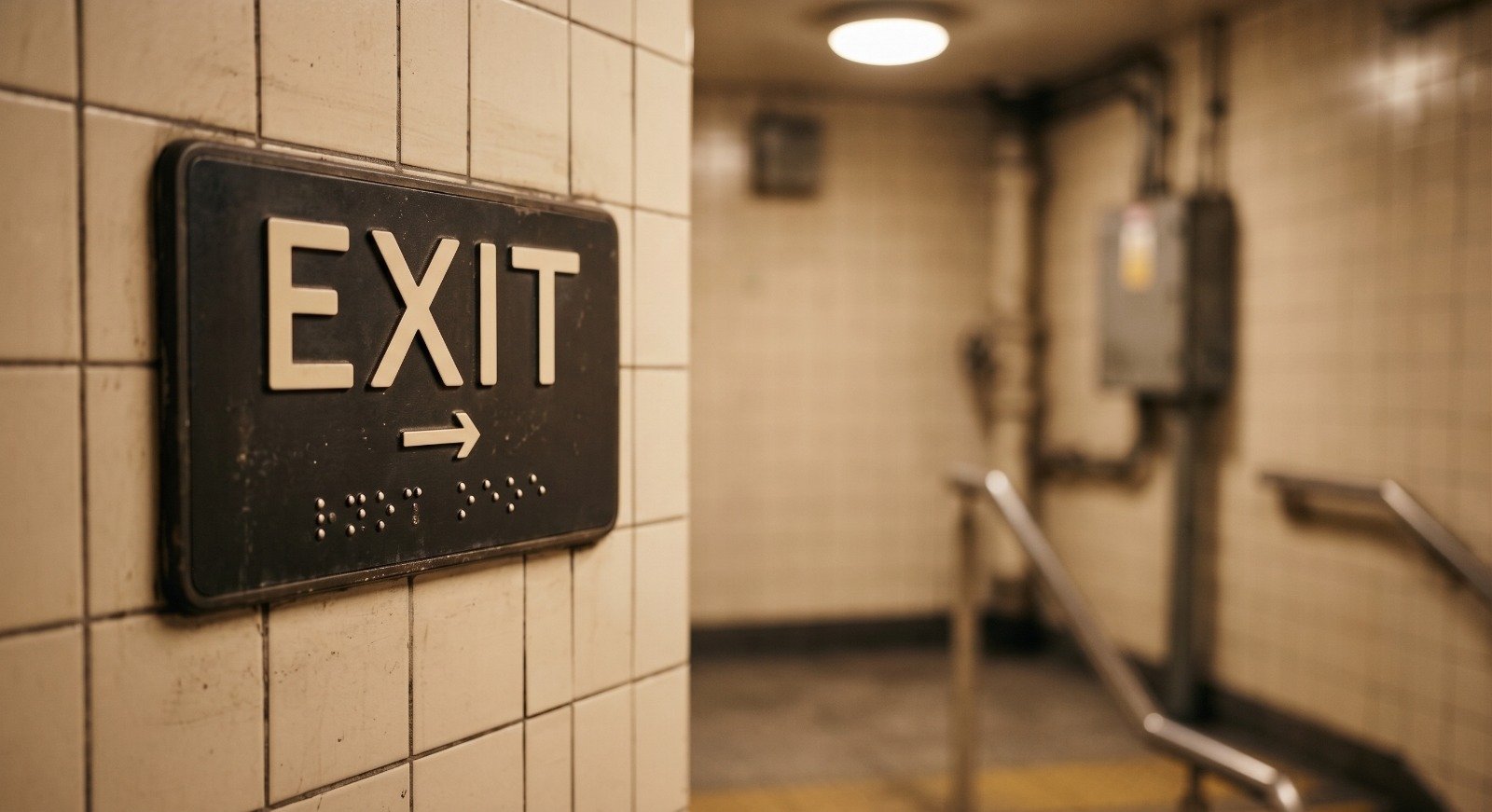
Key Takeaways https://youtube.com/embed/HrDd30T_QRM?si=zF1yNZMuJhtivVto Exit signage plays a major role in helping people evacuate buildings

Shell Energy Stadium spent this summer hosting watch party after watch party, and on

What makes stadium accessibility for blind and low-vision fans different from accessible seating? Stadium
Key Takeaways https://youtube.com/embed/HrDd30T_QRM?si=zF1yNZMuJhtivVto Exit signage plays a major role in helping people evacuate buildings
Shell Energy Stadium spent this summer hosting watch party after watch party, and on